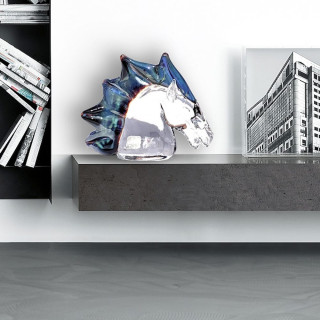
Explore the YourMurano collection of Murano glass horse sculptures to discover equine figures that combine sculptural presence with the distinctive qualities of Venetian glass.
Why are Murano glass horse sculptures so distinctive?
A horse is a challenging subject to translate into glass. Its appeal lies in the relationship between the body's proportions, the direction of its movement and the expressive details of its head and mane. A successful sculpture must bring these elements together in a form that feels balanced, whether the animal is standing calmly or captured in a dynamic pose. Glass adds another dimension to this interpretation. Unlike materials with an opaque surface, transparent and translucent glass can change appearance according to the light and the angle from which it is viewed. Solid-colour glass creates a more defined silhouette, while crystal and layered colours can introduce depth and visual variation.
Murano glass horse sculptures can therefore be appreciated from several perspectives: as representations of an animal, as studies of form and movement, and as examples of the glassmaker's ability to shape a material with distinctive optical qualities. Their individuality also comes from the diversity of designs available. Some pieces focus on the head and mane, emphasising expression and detail. Others depict the full body, using the position of the legs, neck and tail to communicate action, balance or calmness.
The symbolism of the horse: strength, freedom and elegance
The horse has held an important place in art and visual culture for centuries. It can represent power, independence, nobility and movement, while its association with travel, sport and companionship gives the animal a wide range of meanings. In a glass sculpture, these qualities are often expressed through posture rather than narrative. A rearing horse can suggest energy and determination, while a more composed figure may communicate balance and quiet elegance. A horse's head, meanwhile, places greater emphasis on its expression, the shape of the muzzle and the flowing lines of the mane.
These interpretations make equine sculptures particularly personal decorative objects. For one collector, a horse may evoke a passion for riding or a connection with the animal. For another, it may be the sculptural shape, the interplay of colour and transparency, or the sense of movement that makes the piece compelling. Rather than relying on a single symbolic meaning, the appeal of a Murano glass horse lies in the way its form allows different viewers to find their own connection with the subject.
From rearing horses to sculpted heads: different styles to discover
The style of a horse sculpture influences how it is perceived and where it may be displayed. Understanding the main forms can help collectors identify pieces that suit their tastes and the character of their collection.
Rearing horse sculptures
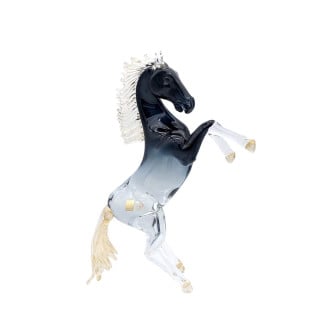
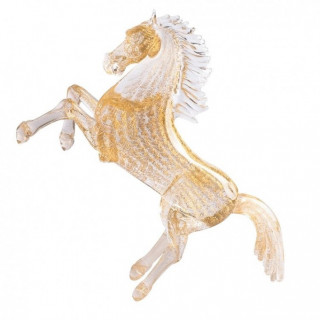
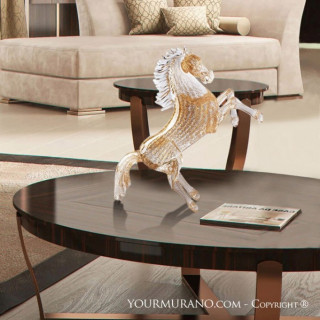
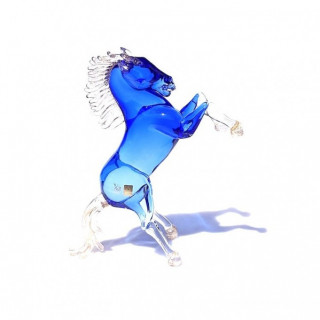
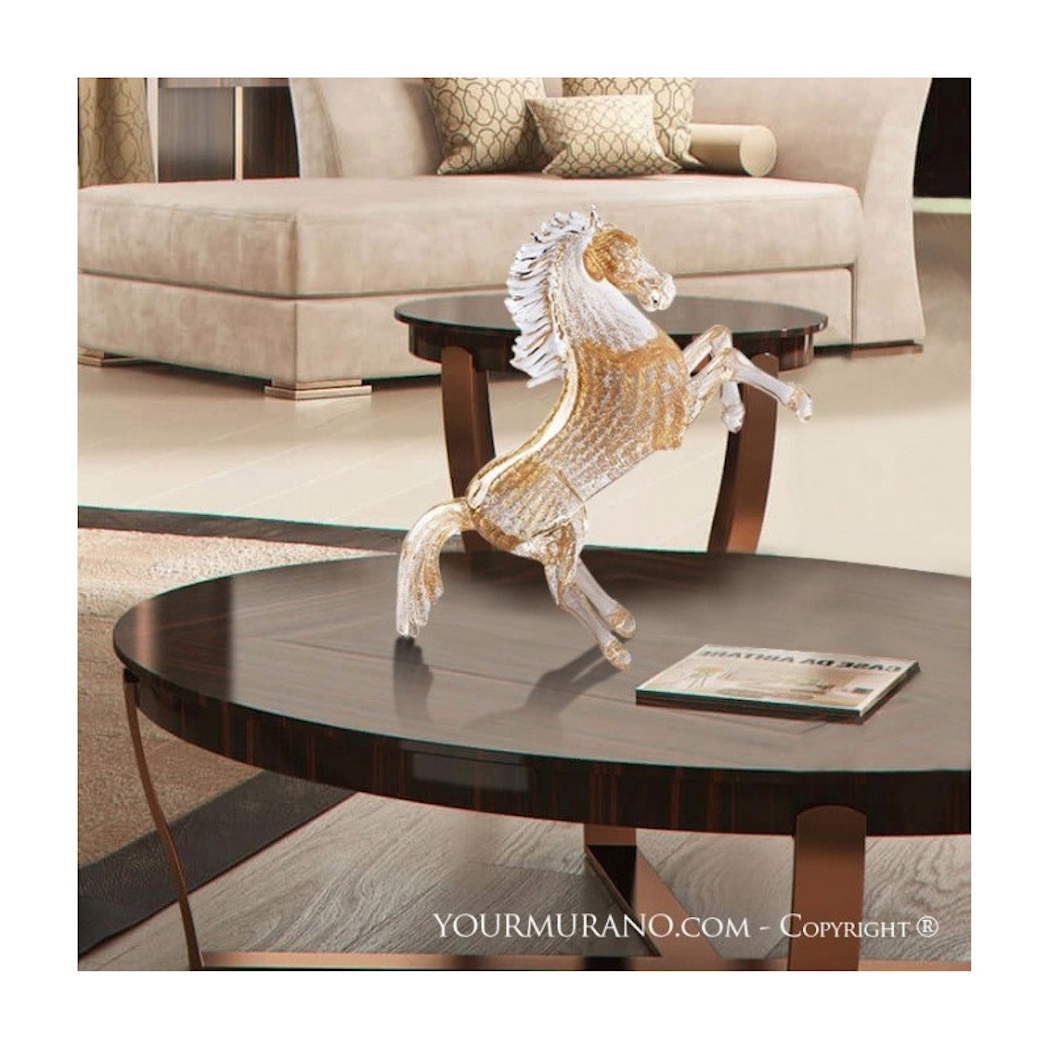
A rearing horse is one of the most dynamic interpretations of the subject. The raised front legs, arched neck and extended body create a strong sense of movement, while the overall composition often gives the sculpture a pronounced vertical presence.
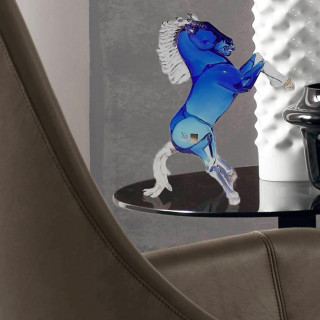
In glass, this pose can be especially striking because the contours catch the light from different angles. Deep blue, multicoloured glass and contrasting decorative details can emphasise the animal's silhouette and reinforce its sculptural character. A rearing figure often works well as a standalone artwork on a console, pedestal or substantial shelf. Its visual energy makes it a natural focal point, so it generally benefits from a setting that allows the entire outline to remain visible.
Horse head sculptures
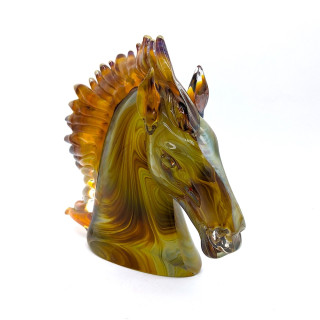
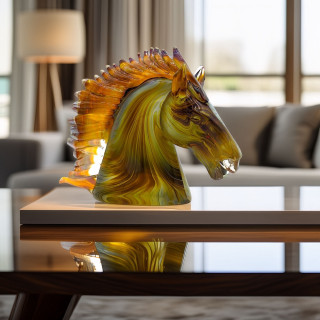
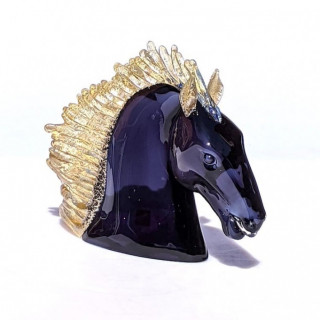
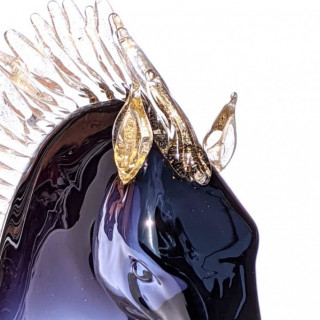
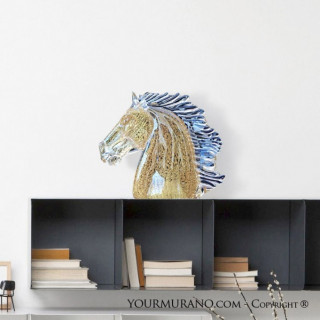
Horse head sculptures offer a more concentrated interpretation of the subject. Rather than depicting the entire animal, they focus on the lines of the face, the shape of the ears and muzzle, and the character expressed through the mane.
This format can highlight the glassmaker's attention to detail. Contrasting colours or decorative elements in the mane can draw the eye towards the head, while crystal glass can introduce transparency and a lighter visual effect. Because they often occupy less floor or shelf space than full-body figures, horse heads can suit smaller display areas, studies, libraries and carefully arranged collections. Their orientation and profile are important, so choose a position where the contours can be appreciated from the intended viewing angle.
Standing and resting horse figures
Not every horse sculpture needs to convey speed or dramatic movement. Standing or resting figures can express a quieter kind of elegance through their proportions, posture and balance.
These designs may be particularly suitable for interiors where a more restrained decorative presence is preferred. Their silhouette can complement books, ceramics or other art objects without dominating the entire arrangement. For collectors, the contrast between a dynamic rearing horse and a more composed figure can also create interest within a collection devoted to the same subject.
Colour, transparency and decorative details in Murano glass horses
Colour is one of the defining features of decorative glass. In equine sculptures, it can influence the mood of the piece and draw attention to different parts of the composition.
• Deep blue and sapphire: Rich blue tones can give a sculpture a dramatic presence, especially when combined with crystal or golden details.
• Clear crystal glass: Transparency places greater emphasis on the outline and the way light passes through the sculpture.
• Multicoloured glass: Contrasting colours can create a more expressive interpretation of the horse and highlight the contours of its body.
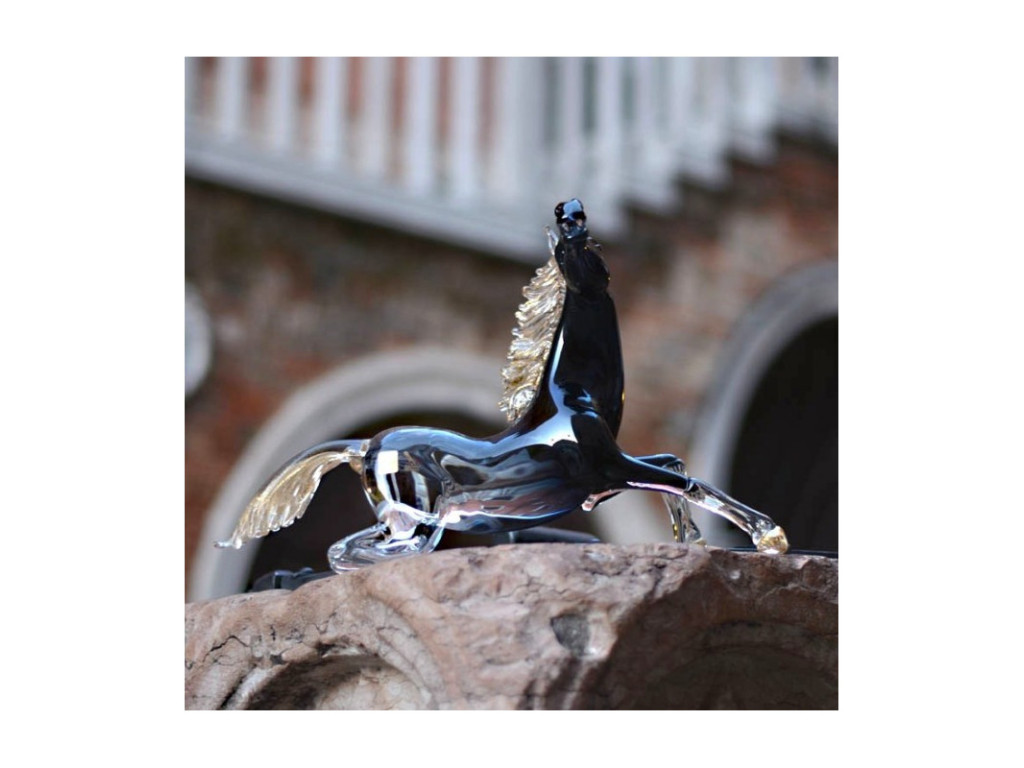
• Black and dark tones: Dark glass can produce a bold silhouette, giving the sculpture a strong visual presence.
• Gold details: Where used, golden accents can draw attention to the mane or other decorative features and create contrast with darker or transparent glass.
The visual effect depends on the specific design, the glass composition and the lighting conditions. A transparent sculpture displayed against a pale background may appear very different from the same piece placed in front of a dark surface. When choosing a horse sculpture, consider not only the colours themselves but also how they interact with the intended display setting. The aim is to find a piece whose material qualities remain visible and whose visual character suits the collection.
How Murano glassmaking brings a horse sculpture to life
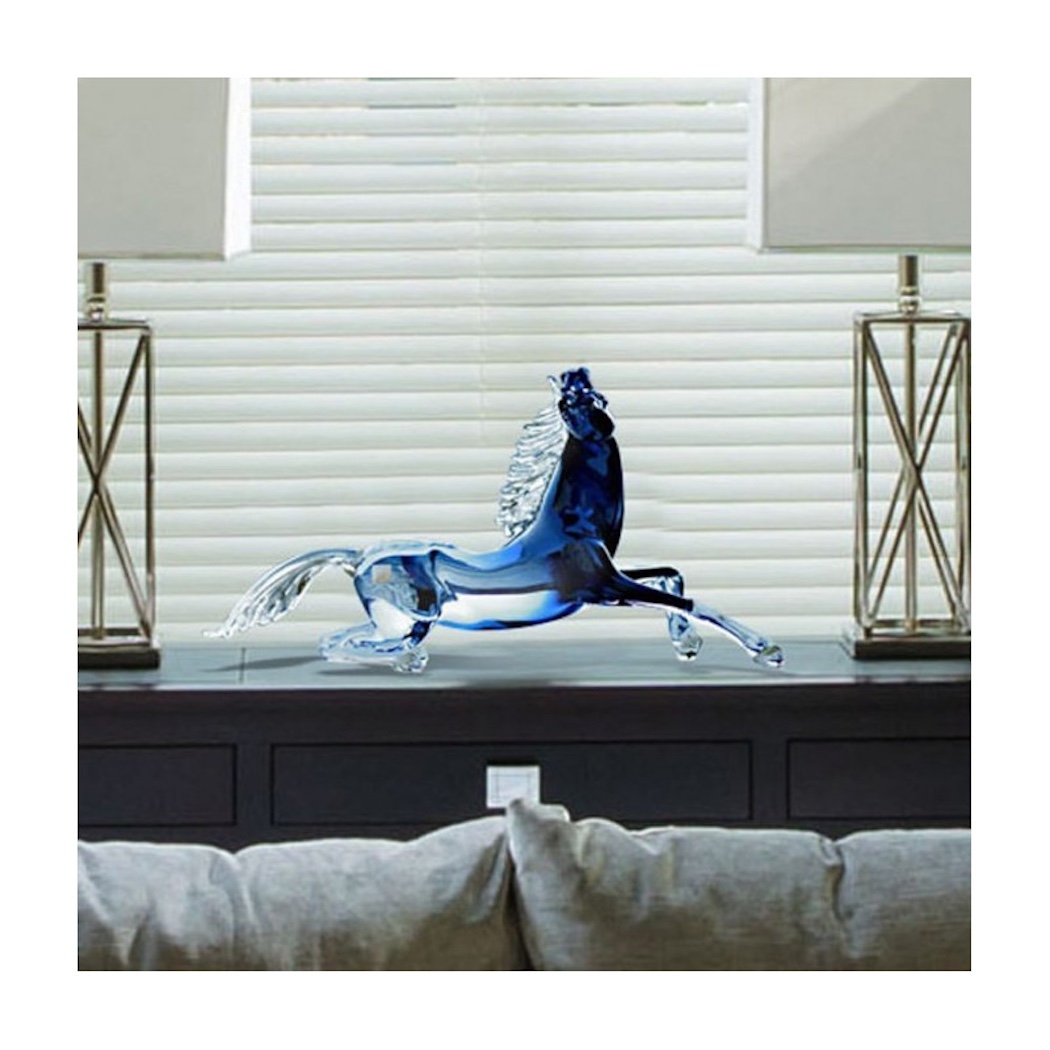
Creating a recognisable animal form in glass requires careful control of proportion, shape and balance. The artist must consider how the body, head and limbs relate to one another, while also accounting for the material's optical qualities and the structure of the finished piece. Murano's glassmaking tradition includes a variety of techniques, including working molten glass, blowing, shaping and adding decorative elements. The precise process used for a horse sculpture depends on its design and the workshop responsible for its production.
Some sculptures use transparent glass to create a sense of lightness, while others rely on solid or coloured glass for a more substantial appearance. Decorative details, contrasting colours and gold leaf may add further complexity where specified in the individual product.
The finished result reflects the relationship between artistic interpretation and material technique. The glass is not simply used to reproduce the outline of a horse; its colour, transparency and ability to reflect light become part of the sculpture's visual language. For this reason, it is worth looking closely at the shape, finish and details of each piece rather than judging it by colour alone.
How to choose a Murano glass horse sculpture for a collection
Collecting art glass is a personal process. Some people look for a particular animal or subject, while others are drawn to a specific colour palette, a sculptural style or the work of a particular glassmaking tradition. Before choosing a horse sculpture, consider the following points.
• Subject and pose: Decide whether you prefer the energy of a rearing horse, the expressive detail of a horse head or the quieter character of a standing figure.
• Colour and finish: Think about whether transparent crystal, deep blue, multicoloured glass or contrasting details best suit your preferences.
• Scale and proportions: Check the height, width and depth of the piece in relation to the space available. A sculpture may look very different in a product photograph than it does on a shelf or pedestal.
• Visual balance: Look at the relationship between the body, head, legs and decorative details. The overall silhouette is often central to the impact of the sculpture.
• Craftsmanship and provenance: Review the product description, the stated origin and any available documentation. Where applicable, check the relevant origin mark and certificate information.
• Collection coherence: A collection can be built around one subject while still including variation in size, colour, posture and technique.
There is no single correct way to build a collection. A group of contrasting horse figures may be as compelling as a selection of pieces that share a similar palette or style.
How to display a glass horse sculpture
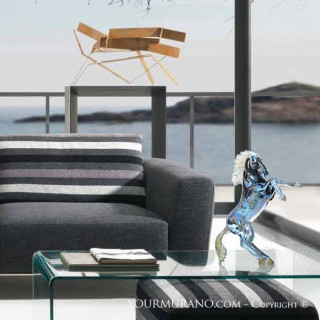
A horse sculpture deserves a display position that allows its form to be seen clearly. The best location depends on the size, orientation and visual weight of the piece. A console in a living room or entrance hall can provide an effective setting for a medium-sized figure. Larger sculptures may benefit from a stable pedestal or a substantial sideboard, while a smaller horse head can work well on a bookshelf, desk or display cabinet. Lighting plays an important role in presenting glass. Natural light can reveal transparency and colour variations, while a carefully positioned lamp may bring out the contours and decorative details in the evening. Avoid direct, harsh lighting if it creates distracting reflections that obscure the form.
Background choice also matters. A light background can make dark glass stand out, while a darker surface may emphasise the edges of a transparent or crystal sculpture. Allowing some space around the object helps the eye follow its outline, especially when the pose is dynamic. If you are displaying several sculptures together, vary their height and leave enough room between them. This creates a more readable arrangement and allows each piece to retain its individual presence.
Are Murano glass horse sculptures suitable for gifts?
A horse sculpture can make a thoughtful gift for someone who appreciates horses, Italian craftsmanship or distinctive decorative objects. Its appeal is not limited to equestrian enthusiasts: the combination of sculptural form and coloured glass can also attract people interested in design and art collecting. The most suitable choice depends on the recipient and the occasion. A smaller horse head may be appropriate for a compact display area, while a larger rearing figure may suit someone who enjoys making a statement with decorative art.
When choosing a gift, consider the recipient's interior style, the available space and whether they prefer vivid colours or more restrained designs. It is also useful to review the item's dimensions, delivery conditions and packaging information before ordering. For a collector, information about the piece's stated origin, technique and documentation can be just as important as its appearance.
How to care for Murano glass horse sculptures
Glass sculptures should be handled carefully, especially when they have projecting legs, narrow sections, raised details or delicate decorative elements. Remove dust with a soft, lint-free cloth and avoid abrasive materials or harsh cleaning products. Do not expose the sculpture to sudden temperature changes, and follow the care instructions supplied with the individual item.
Choose a stable display surface that can support the sculpture's weight. When moving the piece, support its main body with both hands where practical rather than lifting it by the head, legs, tail or decorative additions. If the sculpture has gold leaf or other special finishes, consult the product's care guidance before attempting any cleaning beyond gentle dust removal. These precautions help preserve the appearance and structural integrity of the artwork.
Discover Murano glass horse sculptures at YourMurano
Murano glass horse sculptures bring together the expressive character of the horse and the visual possibilities of Venetian glassmaking. From dynamic rearing figures to detailed horse heads, each style offers a different interpretation of strength, movement and elegance.
Whether you are building an art glass collection, looking for a distinctive gift or searching for a sculptural piece to enrich your home, the YourMurano collection offers a range of equine designs to explore.
Discover the Murano glass horse sculptures at YourMurano and find a creation that reflects your appreciation for Italian art glass and the enduring appeal of equine forms.